Portable Finance Networks Uniting Sports Wagers, Thoroughbred Racing, and Automated Casino Modules
Taylor Wolf · Sep 18, 2026

Portable Finance Networks Uniting Sports Wagers, Thoroughbred Racing, and Automated Casino Modules
Digital transaction systems now serve as the connective tissue between athletic betting platforms, equine event markets, and automated gaming modules that operate on handheld devices, with data from September 2026 indicating sustained growth in cross-category payment volumes across multiple jurisdictions. These networks rely on instant transfer protocols and multi-wallet integrations that allow users to move funds between different entertainment verticals without repeated verification steps. Observers note that such architecture reduces friction while maintaining compliance records required by various oversight bodies.
Payment Infrastructure in Athletic Markets
Athletic markets depend on real-time settlement mechanisms that accommodate rapid odds adjustments during live events, and flexible funding channels enable deposits from bank accounts, digital wallets, or linked cards directly into betting interfaces on mobile devices. Research from the University of Nevada Reno shows that transaction speeds under three seconds correlate with higher session durations in professional sports wagering applications. Operators integrate these channels with identity verification layers that comply with regional standards, creating pathways that also support withdrawals back to the same funding sources. Data indicates that users frequently transition from athletic markets to other categories within the same application session when the underlying payment rails support seamless navigation.
Equine Event Integration Through Shared Channels
Equine events utilize similar funding rails that connect trackside odds, ante-post markets, and in-running wagers to portable applications, allowing participants to fund accounts from the same sources employed in athletic betting. Automated updates to race schedules and results feed into these systems, which then trigger balance adjustments without manual intervention. Figures from Australian regulatory filings reveal that combined transaction volumes across racing and sports categories rose steadily through mid-2026, driven by unified wallet technology rather than separate account structures. This setup permits users to shift capital between thoroughbred markets and other entertainment options while preserving audit trails for each vertical.
Automated Gaming Modules in Portable Formats
Automated gaming modules, including digital reel systems and table simulations, operate within the same portable frameworks and accept funding from the integrated channels already established for athletic and equine activities. These modules process micro-transactions at high frequency, and shared payment gateways ensure that balances remain synchronized across the entire user profile. Studies compiled by the European Gaming and Betting Association highlight how modular design allows operators to deploy updates across sports, racing, and gaming features simultaneously without disrupting transaction flows. In September 2026, portable platforms reported consistent engagement metrics when funding options remained consistent regardless of the specific module accessed.
Cross-Vertical Linkages and Technical Standards
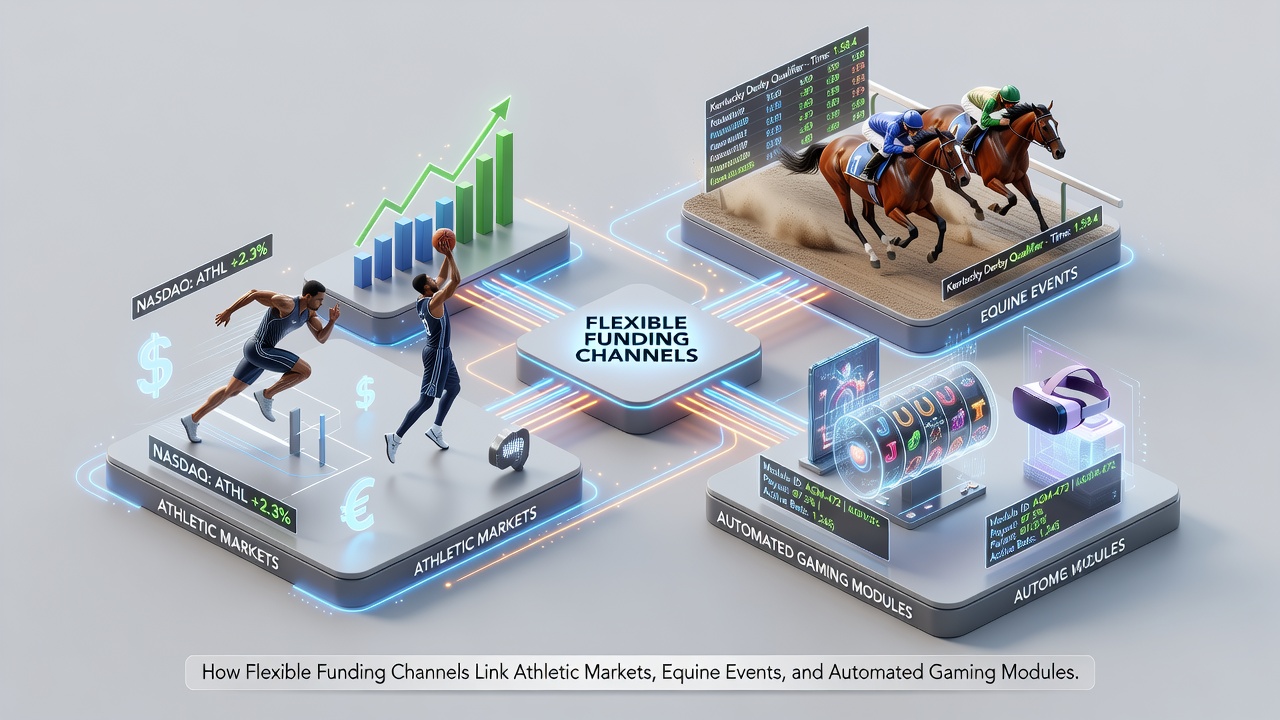
Linkages emerge when payment processors apply uniform APIs that recognize user preferences across athletic markets, equine events, and automated modules, thereby enabling one-time setup for multiple categories. Technical standards developed by international gaming associations emphasize encryption protocols and real-time reconciliation that prevent discrepancies during transfers between verticals. Those who have examined platform architectures observe that such standards reduce the need for separate funding steps, which in turn supports sustained activity across different entertainment types. Reports from Canadian provincial regulators document that platforms employing these unified channels recorded measurable increases in multi-category participation without corresponding rises in support queries.
Regulatory and Operational Considerations
Regulatory frameworks in several regions require transparent reporting of funds moving through these channels, and operators maintain segregated ledgers for athletic, equine, and gaming activities even when the underlying payment rails remain shared. Compliance teams use automated reconciliation tools that flag anomalies across categories while preserving user anonymity where permitted by law. Data from industry monitoring services indicates that platforms adhering to these dual requirements experienced stable growth patterns through the third quarter of 2026. The architecture also accommodates jurisdiction-specific rules by applying geo-fencing at the payment layer rather than at the application level.
Conclusion
Portable finance networks continue to evolve as the primary mechanism connecting athletic markets, equine events, and automated gaming modules, with technical standards and regulatory oversight shaping their development. Transaction data from September 2026 demonstrates that unified channels support fluid movement between categories while meeting compliance obligations across different territories. Further integration of these systems is expected as operators refine API compatibility and reconciliation processes.